
Certified Consultants
Our team is comprised of experienced & certified consultants.

Development Methodology
We are familiar with both Agile & Waterfall methodologies and will adapt to your preferences.

24x7 Support
Our consultants are available anytime – day or night – to render assistance.

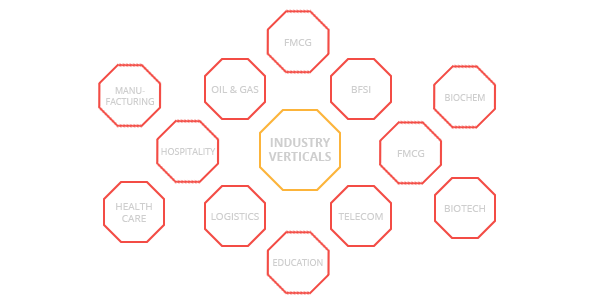
Industry Verticals
We serve numerous Industry Verticals, partnering with top ISVs.

AI That Works in the Real World
We design systems that sense, learn, adapt, and self-optimize, not just in labs, but across factory floors, boardrooms, and customer journeys.

Microsoft Dynamics 365
Make the leap into the digital age effortlessly by migrating to a true-cloud business management solution. Microsoft Dynamics 365 is a powerful cloud platform that provides ERP and CRM functionality while allowing seamless integration of productivity applications and powerful AI tools.

Copilot
At CogentNext, we help organizations adopt Microsoft Copilot to enhance productivity, integrate AI seamlessly into workflows, and drive real business value.
SAP S/4 HANA
At CogentNext, we recognize the pivotal role that SAP S/4 HANA plays in modernizing and future-proofing your business. Guide through the entire SAP S/4HANA implementation process, from planning and design to go-live and post-implementation support.

Salesforce
We understand the power of Salesforce in building smarter sales, service, and customer engagement experiences.We guide you through the complete Salesforce journey, from strategy and implementation to customization, integration, and ongoing optimization ensuring the platform aligns perfectly with your business goals and delivers measurable results.

Oracle
At CogentNext, we recognize the critical role Oracle solutions play in driving enterprise performance and digital transformation. We guide organizations through the complete Oracle journey, from implementation and upgrades to integration, migration, and ongoing support ensuring secure, scalable, and future-ready systems aligned with business objectives.


CogentNext Technologies is our trusted offshore partner. They provide solutions in a quick turnaround time across Microsoft Technologies, be it ERP, CRM, PowerApps, SharePoint or Custom Applications. I recommend them on any given day.